 CLEAR10


If you work with cables and wiring—at home, on job sites, or in industrial settings—you know that exposed wires are trouble waiting to happen. Damage from impact, water, sunlight, rodents, or heat can turn even the neatest installation into a safety hazard. Choosing the right wire protection isn’t just about ticking boxes for compliance. It’s about safeguarding your projects, your equipment, and everyone who depends on them.
Let’s explore the most effective types of wire protection, when to use each, and what makes them essential in modern electrical and data systems.
Why Wire Protection Matters More Than Ever
Technology is everywhere, and with it comes a maze of wiring. The more advanced your systems, the higher the stakes if something goes wrong. Whether you’re protecting simple household wiring or managing complex industrial cables, the right protection means fewer failures, less downtime, and real peace of mind.
Wire protection isn’t just for show. A chewed, crushed, or overheated cable can spark fires, knock out critical systems, or leave you with expensive repairs. Regulations are getting tougher, too—insurance companies and safety inspectors expect you to use the right protection for every environment.
Conduit: The Workhorse of Wire Protection
Conduit is the go-to solution for physical protection. It’s a tough, hollow tube that wires run through, shielding them from physical impacts, moisture, dust, and even some chemicals. You’ll find conduit in almost every building and industrial site.
Types of Conduit
Rigid Metal Conduit (RMC): Made of galvanised steel or aluminium, this is the heavy-duty option. Use it where you need maximum crush resistance or protection from mechanical damage, like in parking garages or exposed outdoor runs.
Electrical Metallic Tubing (EMT): Lighter and easier to work with than RMC, EMT is a favourite for indoor wiring. It bends easily and offers solid protection in offices, schools, and commercial buildings.
Flexible Metal Conduit (FMC): This flexible version handles tight corners and equipment connections. It’s perfect when you need some movement, like with HVAC units or machinery.
PVC Conduit: Lightweight, non-conductive, and resistant to moisture, PVC conduit is ideal for underground installations, wet areas, and anywhere corrosion is a concern.
Each type of conduit has its own strengths. For example, RMC is king for heavy-duty, high-risk areas, while PVC rules underground or in corrosive spots. Your choice should always fit your environment and safety requirements.
Cable Trays and Ladder Racks: Keeping Wires Supported
For big projects—think data centres, factories, or large offices—cable trays and ladder racks offer top-notch support and organisation. These open structures lift wires and cables off the floor and out of harm’s way. They make maintenance a breeze because you can inspect or move cables without disassembly.
Cable trays come in steel, aluminium, or plastic. Perforated trays help with airflow, while solid-bottom trays add an extra layer of protection against falling debris. Ladder racks, with their strong horizontal bars, are the go-to for heavy or bundled cables.
Cable trays and racks don’t protect against everything—especially liquids or rodents—but they excel at keeping cables supported, organised, and accessible in complex systems.
Sleeving: Flexible, Customisable Wire Protection
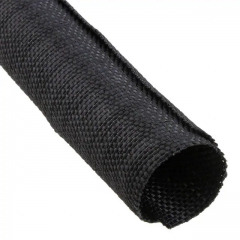
Sometimes, you need protection that’s flexible and fits into tight or awkward spaces. That’s where cable sleeving shines. Sleeving wraps around cables or wire bundles, adding a layer of insulation and guarding against abrasion, heat, or chemicals.
Popular Types of Sleeving
Braided Sleeving: Woven from tough polyester, nylon, or fibreglass, braided sleeving expands to fit over connectors and odd-shaped bundles. It resists abrasion and allows for some airflow, keeping cables cool.
Spiral Wrap: This wrap-around solution lets you branch off wires anywhere along the run. Spiral wrap is great for managing cables behind desks, in vehicles, or in robotics where flexibility matters.
Heat Shrink Tubing: Slide it over the cable, apply heat, and it shrinks down for a tight, moisture-resistant seal. Heat shrink is perfect for sealing joints, repairs, or connections exposed to dust and water.
Textile and Flame Retardant Sleeves: Use these for added protection against high heat or in environments with strict fire safety codes.
Sleeving is ideal for temporary or semi-permanent installations, especially when you need regular access or adjustments. It won’t stop a determined mouse, but it makes daily wear-and-tear a non-issue.
Learn more: The Most Common Mistakes with Wire Protection—and How to Avoid Them.
Glands and Bushings: Protecting Cable Entry Points
One of the most common failure points in any wiring system is where cables pass through panels, enclosures, or walls. Sharp edges, constant movement, and environmental hazards can wear cables down fast. That’s where cable glands and bushings come in.
Cable glands create a watertight, dust-proof seal around a cable where it enters an enclosure. They keep out moisture, dirt, and insects, and provide strain relief that prevents cable pull-out. Look for IP-rated glands for outdoor or industrial work.
Bushings, on the other hand, act as soft barriers that line sharp-edged holes. They stop abrasion and keep insulation intact, especially when cables move or vibrate.
Both glands and bushings seem like small details, but they make a huge difference in system reliability and safety.
Wire Ducts and Raceway Systems: Tidy, Surface-Mounted Protection

Sometimes, you can’t run wiring inside a wall or ceiling. Wire ducts and raceways offer surface-mounted protection, keeping cables neat and hidden while guarding against knocks and tugs. These plastic or metal channels snap shut over wires and mount to walls, desks, or machines.
Raceway systems are popular in offices, schools, and retail spaces where aesthetics matter. They allow you to add or move cables without damaging the building. For sensitive environments, look for raceways with fire-retardant and low-smoke properties.
Wire Loom and Split Tubing: Flexible, Affordable Protection
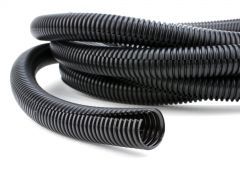
Wire loom is a corrugated plastic tube that’s flexible, easy to cut, and quick to install. It’s a favourite for automotive wiring, home theatres, and any place wires run through open spaces. Split tubing design lets you add or remove cables without disconnecting anything.
Wire loom protects against abrasion, accidental impacts, and even curious pets. Some versions offer extra resistance to chemicals or heat, making them ideal for engine bays or manufacturing lines.
Learn more: Wire Tubing or Sleeving? Understanding the Difference and Making the Right Choice.
When to Use Each Type of Wire Protection
Knowing your options is only half the battle. You need to match the protection to your application:
- Use rigid or flexible conduit for heavy-duty, outdoor, or hazardous areas.
- Choose cable trays and ladder racks for data centres, industrial plants, and large installations.
- Sleeving works best for electronics, robotics, or any job needing frequent access.
- Glands and bushings are essential at entry points, especially outdoors or where movement is common.
- Raceway systems and wire ducts keep surface wiring tidy and safe in offices or public spaces.
- Wire loom is a quick, flexible fix for cars, workshops, or anywhere you need simple, everyday protection.
Advantages of Modern Wire Protection
- Improved safety by preventing electrical shorts, fires, and accidental damage
- Longer cable life thanks to abrasion and impact resistance
- Cleaner, more organised installs that make maintenance easier
- Protection against moisture, dust, chemicals, and even rodents in tough environments
- Faster troubleshooting, as labelled and organised cables are easier to track and repair
What About Fire-Resistant and Halogen-Free Wire Protection?
For the most demanding environments—like tunnels, mass transit, or chemical plants—you may need more than basic wire protection. Fire-resistant conduit, flame-retardant sleeving, and halogen-free raceways prevent the spread of fire and reduce toxic smoke. This isn’t just about compliance; it’s about saving lives when the unexpected happens.
Check your local codes. Many projects now require these specialty products in any public space, high-rise, or critical infrastructure.
Choosing the Right Solution: What Really Matters
Picking the best wire protection starts with knowing your environment. Are you working inside or outside? Is there a risk of impact, moisture, rodents, or fire? How often will you need to access the cables? What regulations apply to your building or industry?
Buy from trusted brands with clear certifications. Look for products tested to local and international standards. Don’t cut corners—quality wire protection costs a bit more upfront but saves you from costly repairs, system downtime, or even dangerous failures down the line.
Talk to a supplier who understands your application. If you’re not sure, ask for samples and test them on-site. The right choice will feel robust, fit your space, and make future work easier—not harder.
Final Thoughts: Wire Protection Is a Smart Investment
Wire protection is more than a finishing touch; it’s the backbone of safe, reliable, and professional installs. The right system extends the life of your cables, protects your investment, and gives you confidence when you flip the switch. As systems grow more complex, cutting corners isn’t an option.
Whether you’re wiring a smart home, running power in a new workshop, or building out a data centre, think of wire protection as your insurance policy. With so many modern options available, there’s no excuse for leaving cables exposed. Make the right choice and your work will stand strong against time, weather, and everything life throws at it.
For more insights and tips on cable ties and other related products, explore cabletiesunlimited.com, get a quick and free quote, and follow us on our social media communities on Facebook and Instagram!