 CLEAR10


Imagine this: fresh basil, mint, and chives growing within arm’s reach every time you cook. You look out your kitchen window and see a green oasis, without a cluttered countertop or the hassle of drilling holes. With just a handful of cable ties, some everyday supplies, and a bit of creativity, you can build a sturdy, stylish hanging herb rack for your kitchen window. No drills. No power tools. No wall damage. This guide will show you how.
Why Go No-Drill?
Renters know the struggle. Even homeowners can relate. Sometimes, you want a practical update without making permanent changes to walls, tiles, or window frames. Landlords frown on holes, and who wants to patch and paint when moving out? Even if you own your place, drilling into tile or window trim can be intimidating.
A no-drill hanging herb rack avoids these issues. It lets you use your window space for light-loving herbs and keeps counters free for meal prep. When you want to move or change the rack, just snip a few ties and everything comes down in minutes, leaving your kitchen exactly as you found it.
Planning Your Herb Rack
The best window herb rack starts with the right supplies and a simple plan. Start by measuring your kitchen window’s width and height. You’ll want to make sure your rack fits snugly and that the herbs get plenty of sunlight.
Think about the herbs you actually use. Basil, parsley, thyme, mint, and chives are perfect for indoor growing. They don’t need huge pots and thrive in sunny windows. Decide if you want a single row or a tiered rack—stacked designs look beautiful and let you grow more in the same space.
If you’re planning a double or triple rack, be sure you have enough vertical clearance between the shelves for your herbs to grow tall and bushy. Most small kitchen windows can handle two tiers with three or four pots each, especially if you use compact planters.
Gathering Materials
You don’t need fancy tools or expensive supplies to build your rack. Start with basic gear: cable ties (zip ties), a sturdy curtain rod or adjustable tension rod, a few wire cooling racks or metal grids, S-hooks or extra cable ties, and your favorite lightweight plant pots.
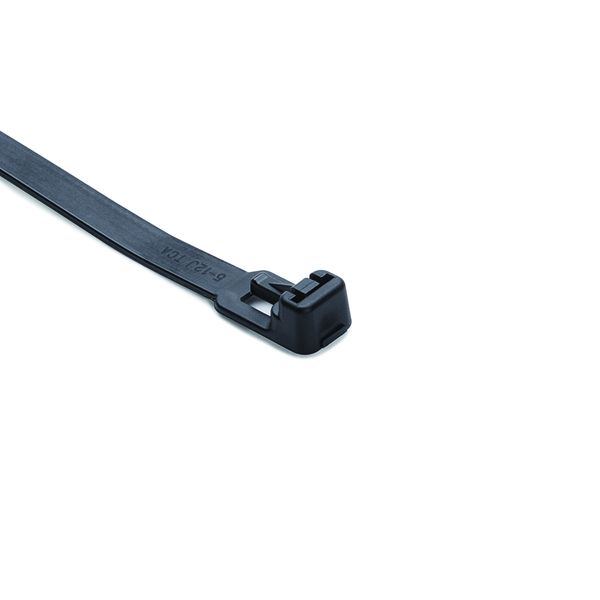
The magic ingredient is the cable tie. These simple strips of plastic can handle more weight than you think, and their versatility makes it easy to change your setup as your plants grow. Pick cable ties that are at least 8–12 inches long and rated for outdoor or UV use if your window gets a lot of sun. Black cable ties last longer without turning brittle.
Choose lightweight pots—plastic or metal tins work best. Heavy ceramic pots are risky for window racks and put extra stress on your mounts. If you love the look of clay, try using smaller ones and space them apart. Make sure every pot has a drainage hole; you don’t want soggy roots.
A tension rod works perfectly for most kitchen windows. It won’t damage the frame, and you can remove it whenever you want. Wire cooling racks, which you’ll usually find in the baking aisle, become instant plant shelves when you hang them horizontally.
Setting Up the Support
Start by installing your curtain or tension rod inside the kitchen window frame. Adjust it until it fits snugly. This rod will support the entire rack, so make sure it’s rated for at least 10–15 pounds. If your window is very wide, consider using two rods spaced a few inches apart for extra stability.
Once the rod is in place, test it by gently pressing down with your hands. If it moves, tighten it until it stays put. If you want a neater look, pick a rod that matches your window trim or blends with your kitchen decor.
Now grab your wire cooling racks. Hold one up to the rod and visualize where your herbs will go. The rack will act as a shelf, with the cable ties attaching it to the rod at either end. If your rack is longer than your window, use wire cutters to trim the edges so it fits.
Learn more: Turn a Bucket Into a Hanging Garden with Cable Ties.
Building the Rack
Attach the first cooling rack or metal grid to the tension rod using cable ties. Start at one end and loop a cable tie through the wire grid and around the rod. Pull tight until the rack hangs flat and secure. Move to the other end and repeat the process, checking to keep everything level.
Depending on your window’s width and the size of your rack, you may want to add a tie in the middle for extra support. Check the fit by placing a couple of empty pots on the rack. If it feels wobbly, add another tie or adjust the existing ones.
For a two- or three-tier rack, repeat this process by hanging a second wire shelf several inches below the first. Instead of using another rod, you can suspend the lower rack by looping cable ties through the first rack’s edge and down to the second rack. Space them evenly for stability, and check that the shelves are parallel and level. Tweak the spacing to allow plenty of sunlight to reach each tier.
Hanging Your Herb Pots
Time to add your herb pots! Place your smallest and lightest pots on the upper tier, and heavier ones on the bottom. This keeps the rack stable and reduces strain on the rod and ties.
You can place the pots directly on the wire rack if they’re stable and wide enough. If you worry about pots tipping over, use S-hooks or more cable ties to secure each one to the grid. Loop the tie around the pot’s rim or handle and the wire shelf. Pull snug, but not so tight that it cracks the pot.
For trailing herbs like thyme or oregano, let them spill over the edges. Tall herbs, like basil, do best in the center where they won’t block light for others.
Watering and Care Tips
Indoor herb racks dry out faster than garden beds, so check your plants daily—especially in hot weather or bright sun. Water slowly so you don’t flood the pots. A small watering can or squeeze bottle lets you target roots and avoid spills.
Because your pots have drainage holes, you’ll want a plan for water runoff. Place small saucers or plastic lids under each pot, or put an old towel on the windowsill to catch drips until you find the right system. Empty any standing water after you water your plants to prevent root rot.
Feed your herbs every few weeks with a diluted liquid fertilizer, and trim the leaves often to encourage bushier growth. Harvest regularly—even if you don’t need herbs for a recipe—since it keeps your plants full and healthy.
Style It Up
There’s no reason a no-drill herb rack can’t look as beautiful as it is practical. Choose matching pots for a clean, modern style, or mix up colors and shapes for an eclectic feel. Spray-paint the wire racks to match your kitchen, or add washi tape to the cable ties for a fun pop of color.
Hang small signs, chalkboard tags, or labels on each pot so you never mix up your parsley and cilantro. Try adding a small string of LED lights around the rod or shelf for a cozy nighttime glow.
If you get really into it, expand your setup with a third or even fourth rack. Just be sure not to overload your tension rod, and always check that every tie and shelf feels secure before adding more plants.
When You Need to Move or Adjust
The real beauty of this system? You can move it, adjust it, or take it down in minutes. If your herbs outgrow the rack, just snip the cable ties, clean the wire racks, and reuse everything in a new spot. Moving to a new home? Roll up the racks, keep your pots, and take your garden with you.
Cable ties and tension rods leave no damage or holes. Landlords love it. If you ever want your window back, your only cleanup is a quick wipe of the sill.
Troubleshooting Common Problems
If your rack sags, check that your tension rod is fully tightened and rated for the combined weight of the shelves and pots. Add extra cable ties or double up where needed for peace of mind.
If your pots shift or tip, tie them down at two points for better stability, or swap for shorter, wider planters that sit flat. Water spills can be managed by using saucers, lining your sill with a plastic tray, or watering more slowly.
Worried about sunlight? Rotate your pots every few days so each side of your herbs gets its turn in the sun. If you notice herbs growing leggy or leaning, they want more light—move your rack to a sunnier window or supplement with a small grow light.
A Greener Kitchen, No Tools Needed
Building a no-drill hanging herb rack takes a single afternoon, a little planning, and some inexpensive hardware. In return, you get months of fresh herbs, bright windows, and a kitchen that feels alive and welcoming. There’s something special about snipping a handful of basil right before tossing it into pasta, or plucking mint for your afternoon tea.
Anyone can build this. You don’t need to be handy, own a toolbox, or risk upsetting your landlord. You just need a few cable ties, the right supplies, and a vision for a more vibrant kitchen.
So what are you waiting for? Plan your herb lineup, gather your supplies, and get growing. Your future self—and every home-cooked meal—will thank you.
For more insights and tips on cable ties and other related products, explore cabletiesunlimited.com, get a quick and free quote, and follow us on our social media communities on Facebook and Instagram!